
Orphaned cubs abound in Colorado as black bear families struggle to find food

“Extreme drought conditions have limited natural forage in the higher elevations,” said Rachael Gonzales, Colorado Parks and Wildlife Northwest Region spokesperson, in an email to Colorado Newsline. “Low mountain snowpack and wildfires have added to the reduced availability of natural foods such as berries, fruits, nuts, plants and grasses across Colorado. A starving mother bear’s milk can dry up, forcing her to abandon her cubs, leaving them to search for food on their own.”
Each year orphaned cubs are brought to one of two CPW-licensed wildlife rehabilitation centers where the bears are fed natural foods such as fish and berries, as well as donated peaches from Colorado orchards. Once they’ve reached 60-70 pounds and start to display denning behavior the bears are released back into the wild.
Colorado's forage crisis did not emerge overnight — about six months ago, Colorado activated Phase 2 drought response as conditions reached historic severity, setting the stage for this year's bear emergency.
The wildlife rehab facilities also take in injured raptors, beavers, raccoons, bobcats, mountain lions and otters.

Colorado Parks and Wildlife
By late September, CPW’s Frisco Creek Wildlife Rehabilitation Center in Del Norte had taken in 41 cubs — significantly more than the 29 rescued bears brought to the center last year, said John Livingston, CPW Southwest Region spokesperson. In a typical year, the center cares for roughly 20 bears, he said.
The other CPW-licensed wildlife rehabilitation center is the nonprofit Pauline Schneegas Wildlife Foundation, in Silt. This year it took in more than 30 bear cubs versus the three cubs it cared for last year, said the foundation’s executive director and founder, Nanci Limbach. The center, which is not funded by CPW, averages five to 10 cubs yearly, she noted.
A spring freeze also damaged important food sources.
“It’s been a bad forage year,” said Limbach, adding that in addition to berries, acorns — a highly nutritious fall food — were also lost to the freeze. Plus, “lots of creeks dried off, so lots of bears moved to town. The drought didn’t help but it was the freeze that started all this.”
At the Silt facility, orphaned cubs are fed until they’ve grown large enough to be placed in den boxes attached to large cages, and then in February they are transported to a natural snow cave, from which they emerge in March or April. The Frisco Creek facility has a similar process, and additionally performs “hard releases,” where cubs who weigh at least 60 pounds by November are released to find their own dens for the winter. Cubs that are too small to survive on their own are held in artificial den boxes until they are healthy enough to be released.
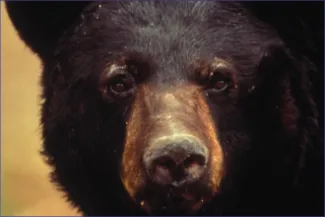
By late August, CPW officials were finding bear cubs that weighed just 17-18 pounds — the weight they should be in May, said Livingston. The mom was likely already malnourished when she entered the den last year, before emerging in the spring to super dry conditions, he said.
They’re struggling to put on pounds to allow themselves to care for their young, who, by “this time of year should be at least 35-50 pounds,” Livingston said. “That’s the reason for the influx of cubs this year. If a female abandons its cub it’s likely they just can’t provide for them.”
A yearling (a bear between 12 and 24 months) with with burnt paws from the Aspen Acres fire was one of this year’s rescues at the Frisco Creek facility, Livingston said. Bears are dealing with a changing climate, including warmer and shorter winters, he said.
While under CPW captivity, visual barriers allow caretakers to tend to daily feeding and cleaning without the bears seeing them. The goal is for bears not to become comfortable or accustomed to being near humans.
Cubs also become orphaned when a mother is struck by a vehicle, or shot by a landowner defending livestock, or when euthanized by wildlife officials after being caught breaking into houses or attacking humans, Livingston said.
Reported bear incidents in Colorado are at a record high, according to preliminary CPW data for 2026. CPW started its bear reporting system in 2019, to help wildlife managers track bear conflicts in Colorado.
So far, 2026 has seen 3.6 times the five-year average of bear incidents. As of August 31, there were 8,672 reports of bear-related sightings and incidents, compared to 3,680 reports through August 2025.
Ninety-eight bears were relocated in 2026, compared to 33 bears relocated through August 2025. Bears have been euthanized at greater frequency this year — 294 compared to 83 bears euthanized through August 2025.
Bears can spend up to 20 hours a day in late summer and fall searching for food to build up their fat reserves to survive the winter in hibernation. Bears searching for food are more likely to engage in risky behavior such as entering neighborhoods when forage is scarce. Bears caught damaging property or threatening humans can face relocation or euthanasia.
In May, Governor Jared Polis signed House Bill 26-1342, which strengthens penalties for people who knowingly leave out food or other edible waste that can attract bears. The law does not apply to acts related to agriculture.


